We're attempting to include each SRA project as a bundle in DEE2. So far we have included >60k SRA projects and this grows each month. Each SRA project has one or more runs, as you can see there are over 4.4 Million in SRA. Overall we have completed 46% of these as of July 2026 and our servers are working hard to deliver more.
Learn more about the organisms in our collection
Source: Wikipedia.
Animals
-
Caenorhabditis elegans
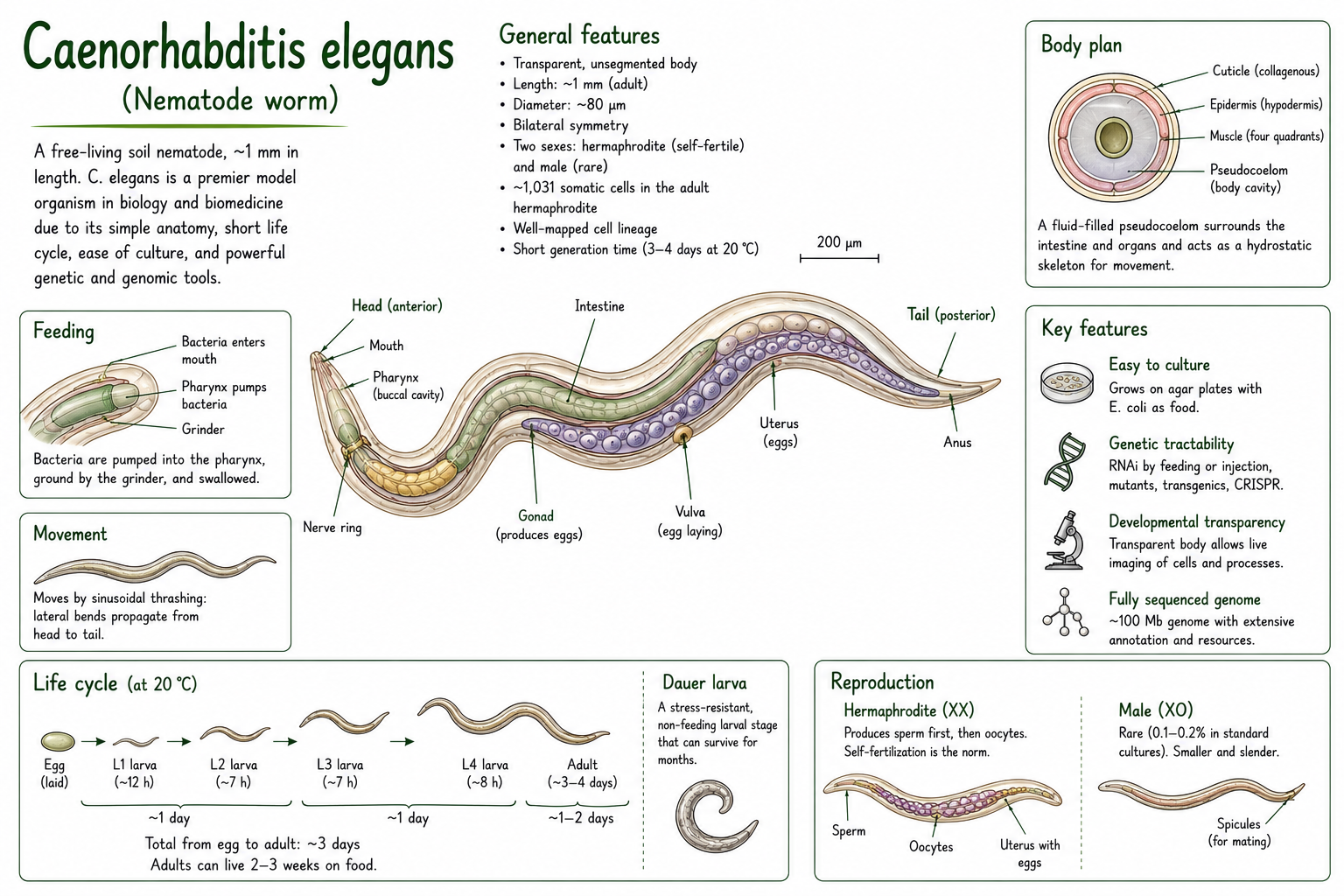
Caenorhabditis elegans is a free-living transparent nematode about 1 mm in length that lives in temperate soil environments. It is the type species of its genus. The name is a blend of the Greek caeno- 'recent', rhabditis 'rod-like', and Latin elegans 'elegant'. In 1900, Maupas initially named it Rhabditis elegans. Osche placed it in the subgenus Caenorhabditis in 1952, and in 1955, Dougherty raised Caenorhabditis to the status of genus.
C. elegans is an unsegmented pseudocoelomate and lacks respiratory or circulatory systems. Most of these nematodes are hermaphrodites and a few are males. Males have specialised tails for mating that include spicules.
In 1963, Sydney Brenner proposed research into C. elegans, primarily in the area of neuronal development. In 1974, he began research into the molecular and developmental biology of C. elegans, which has since been extensively used as a model organism. It was the first multicellular organism to have its whole genome sequenced, and in 2019 it was the first organism to have its connectome (neuronal "wiring diagram") completed.
As of 2024, four Nobel prizes have been won for work done on C. elegans.
-
Drosophila melanogaster
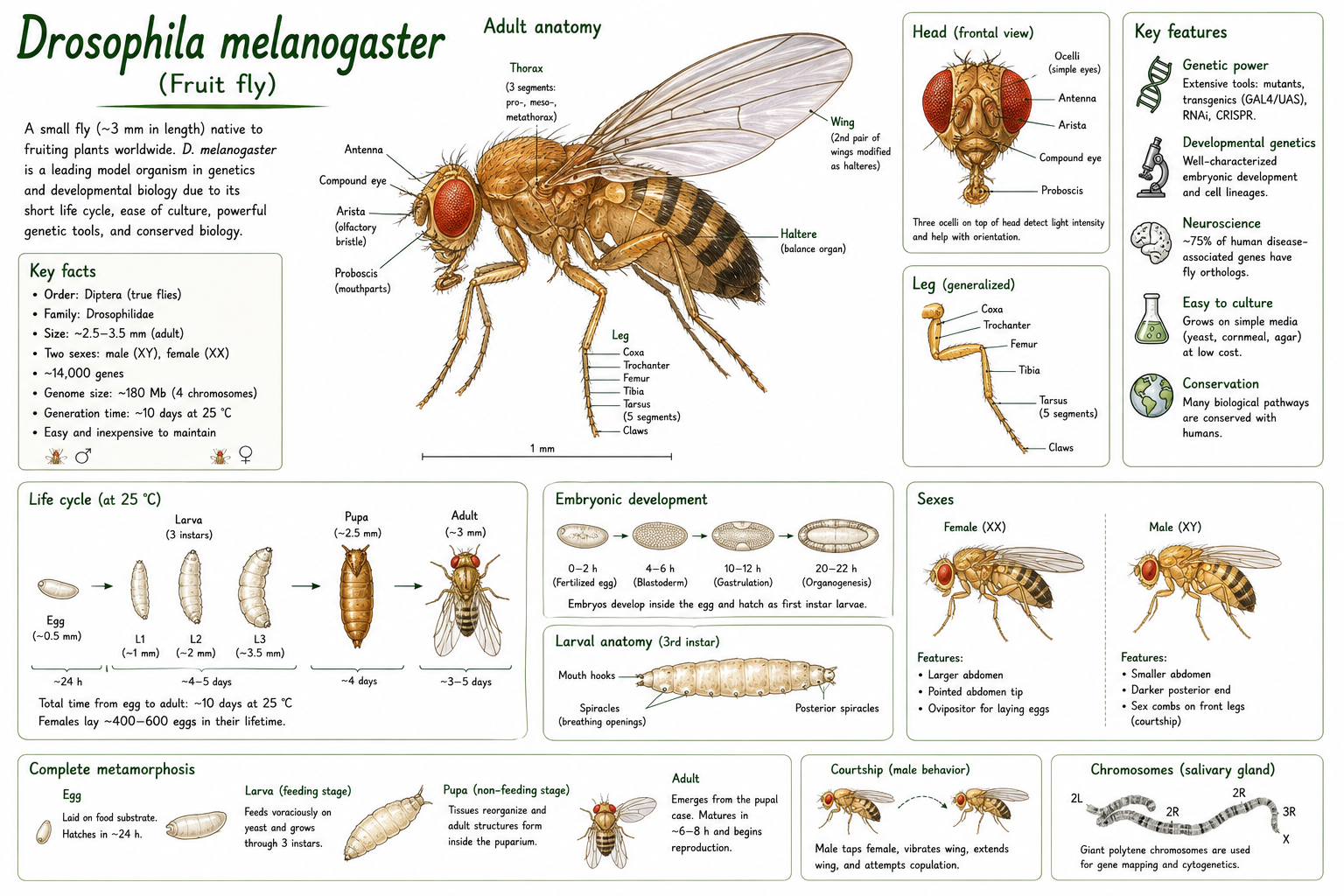
D. melanogaster is a species of fly (an insect of the order Diptera) in the family Drosophilidae. The species is often referred to as the fruit fly or lesser fruit fly, or less commonly the "vinegar fly", "pomace fly", or "banana fly". D. melanogaster is attracted to rotting fruit and fermenting beverages and is often found in orchards, kitchens, and pubs.
Starting with Charles W. Woodworth's 1901 proposal of the use of this species as a model organism, D. melanogaster continues to be widely used for biological research in genetics, physiology, microbial pathogenesis, and life history evolution. In 1946 D. melanogaster was the first animal to be launched into space. As of 2017, six Nobel Prizes have been awarded to drosophilists for their work using the insect.
D. melanogaster is typically used in research owing to its rapid life cycle, relatively simple genetics with only four pairs of chromosomes, and large number of offspring per generation. It was originally an African species, with all non-African lineages having a common origin. Its geographic range includes all continents, including islands. D. melanogaster is a common pest in homes, restaurants, and other places where food is served.
-
Danio rerio
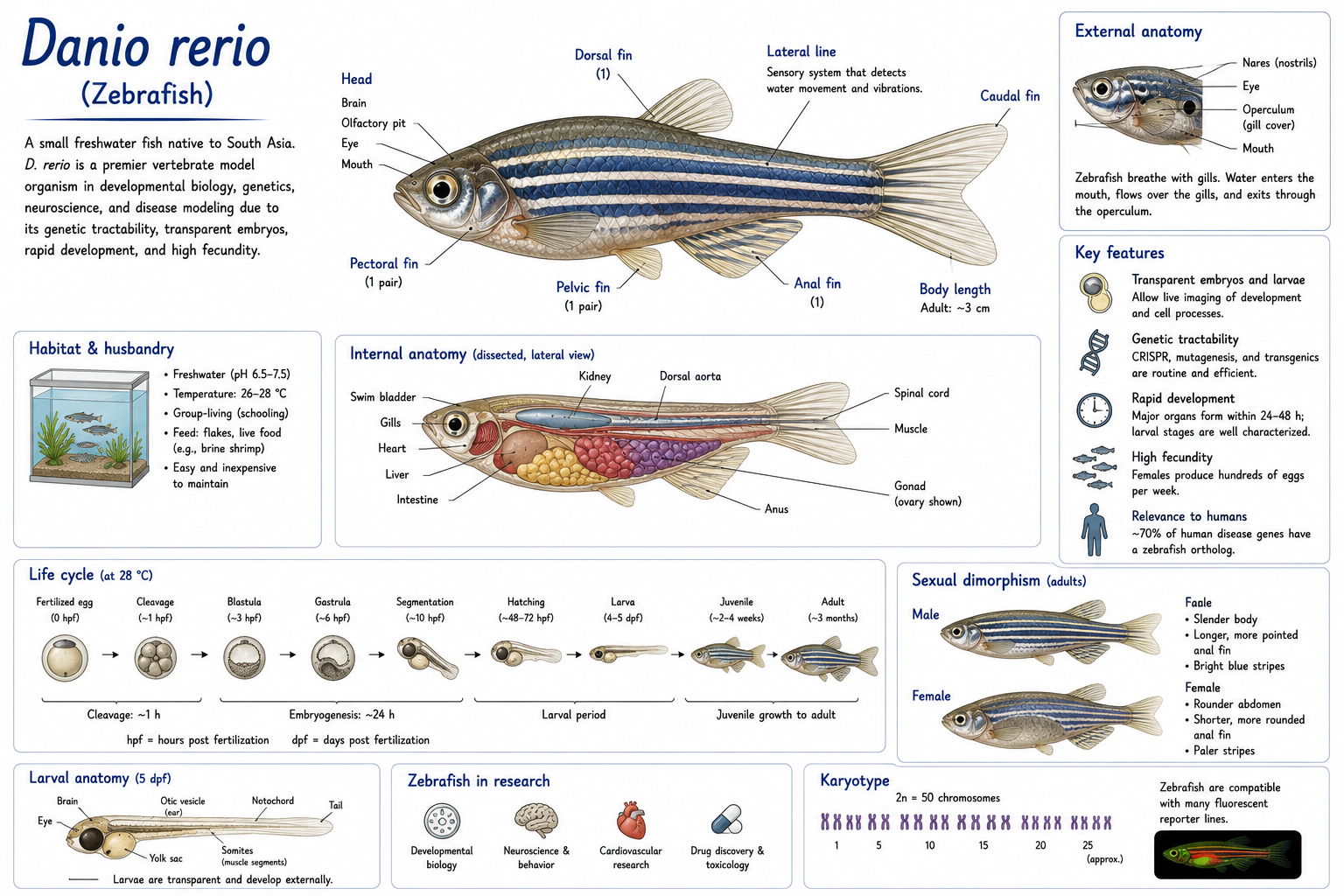
The zebrafish (D. rerio) is a species of danionin belonging to the genus Danio in the suborder Cyprinoidei. Native to South Asia, it is a popular, hardy aquarium fish, frequently sold under the trade name zebra danio (thus often mislabeled as a "tropical fish", even though they also inhabit subtropical and temperate waters).
The zebrafish is extensively used as a vertebrate model organism in scientific research, particularly developmental biology, but also gene function, oncology, teratology, and drug development, in particular pre-clinical development, due to its scalability from high numbers of offspring and ease of drug delivery through water into the gills. It is also notable for its regenerative abilities, and has been modified by researchers to produce many transgenic strains.
Microbes
Plants
-
Arabidopsis thaliana
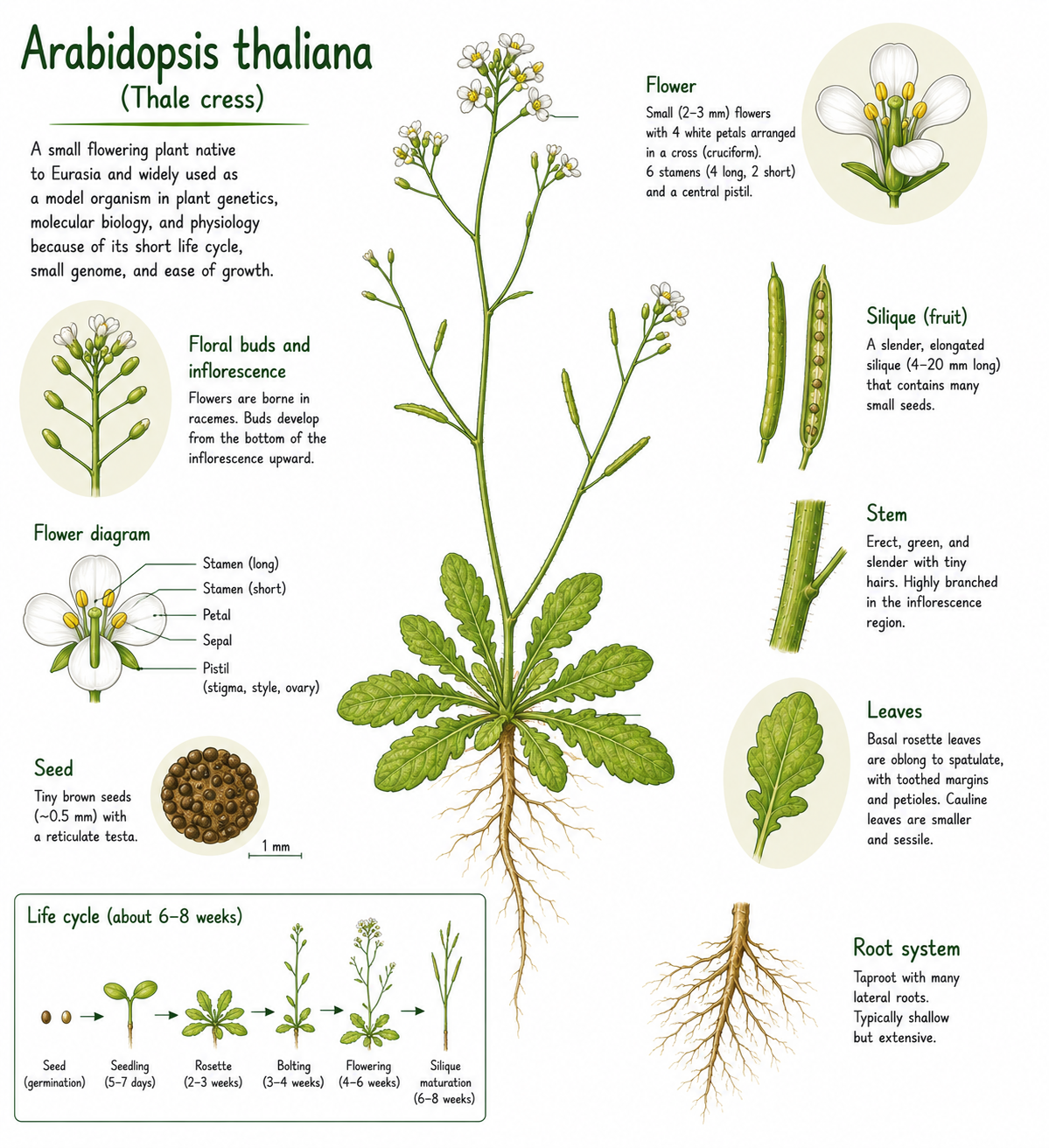
Arabidopsis thaliana, the thale cress, mouse-ear cress or arabidopsis, is a small plant from the mustard family (Brassicaceae), native to Eurasia and Africa. It is commonly found along the shoulders of roads and in disturbed land, and is generally considered a weed.
A winter annual with a relatively short lifecycle, A. thaliana is a popular model organism in plant biology and genetics. For a complex multicellular eukaryote, A. thaliana has a relatively small genome of around 135 megabase pairs. It was the first plant to have its genome sequenced, and is an important tool for understanding the molecular biology of many plant traits, including flower development and light sensing.
-
Brachypodium dystachion
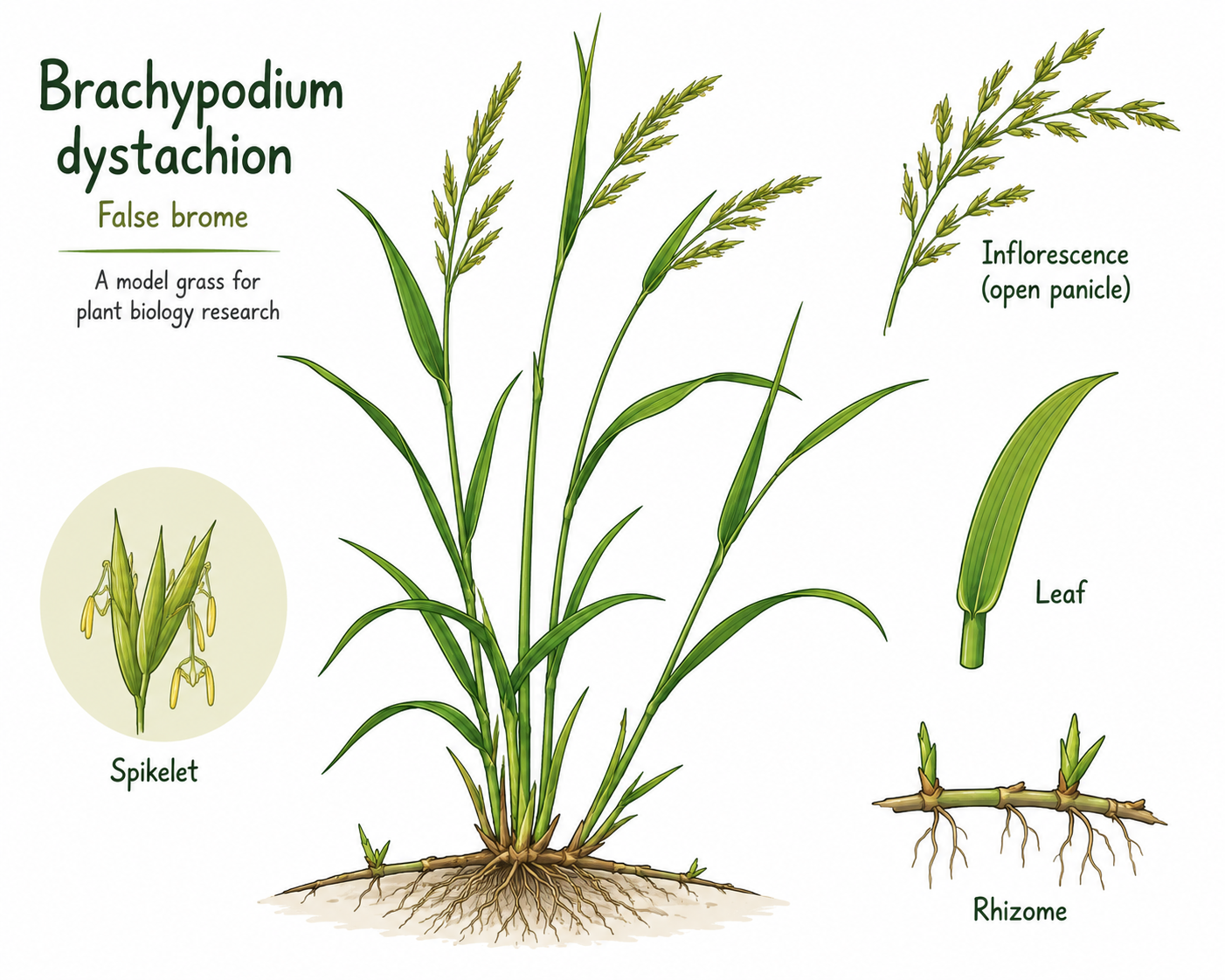
B. distachyon, commonly called purple false brome or stiff brome, is a grass species native to southern Europe, northern Africa and southwestern Asia east to India. It is related to the major cereal grain species wheat, barley, oats, maize, rice, rye, sorghum, and millet. It has many qualities that make it an excellent model organism for functional genomics research in temperate grasses, cereals, and dedicated biofuel crops such as switchgrass. These attributes include small genome (~270 Mbp) diploid accessions, a series of polyploid accessions, a small physical stature, self-fertility, a short lifecycle, simple growth requirements, and an efficient transformation system. The genome of Brachypodium distachyon (diploid inbred line Bd21) has been sequenced and published in Nature in 2010.
-
Glycine max
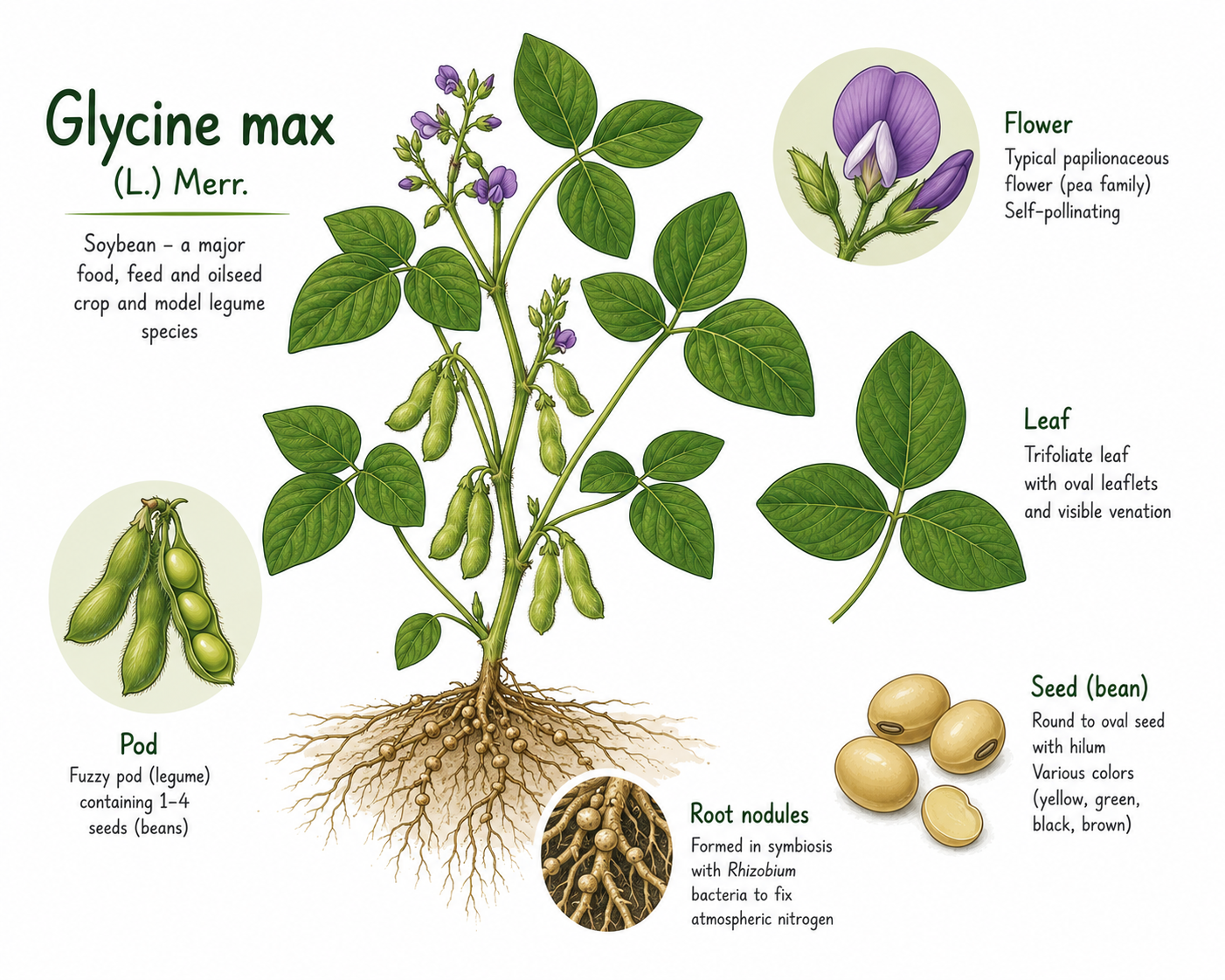
The soybean, soy bean, or soya bean (Glycine max) is a species of legume native to East Asia, widely grown for its edible bean. Soy is a staple crop, the world's most grown legume, and an important animal feed.
Soy is a key source of food, useful both for its protein and oil content. Soybean oil is widely used in cooking, as well as in industry. Traditional unfermented food uses of soybeans include edamame, as well as soy milk, from which tofu and tofu skin are made. Fermented soy foods include soy sauce, fermented bean paste, nattō, and tempeh. Fat-free (defatted) soybean meal is a significant and cheap source of protein for animal feeds and many packaged meals. For example, soybean products, such as textured vegetable protein (TVP), are ingredients in many meat and dairy substitutes. Soy-based foods are traditionally associated with East Asian cuisines, and still constitute a major part of East Asian diets, but processed soy products are increasingly used in Western cuisines.
Soy was domesticated from the wild soybean (Glycine soja) in north-central China between 6,000 and 9,000 years ago. Brazil and the United States lead the world in modern soy production. The majority of soybeans are genetically modified, usually for either insect, herbicide, or drought resistance. Three-quarters of soy is used to feed livestock, which in turn go to feed humans. Increasing demand for meat has substantially increased soy production since the 1980s, and contributed to deforestation in the Amazon.
Soybeans contain significant amounts of phytic acid, dietary minerals and B vitamins. Soy may reduce the risk of cancer and heart disease. Some people are allergic to soy. Soy is a complete protein and therefore important in the diets of many vegetarians and vegans.
-
Hordeum vulgare
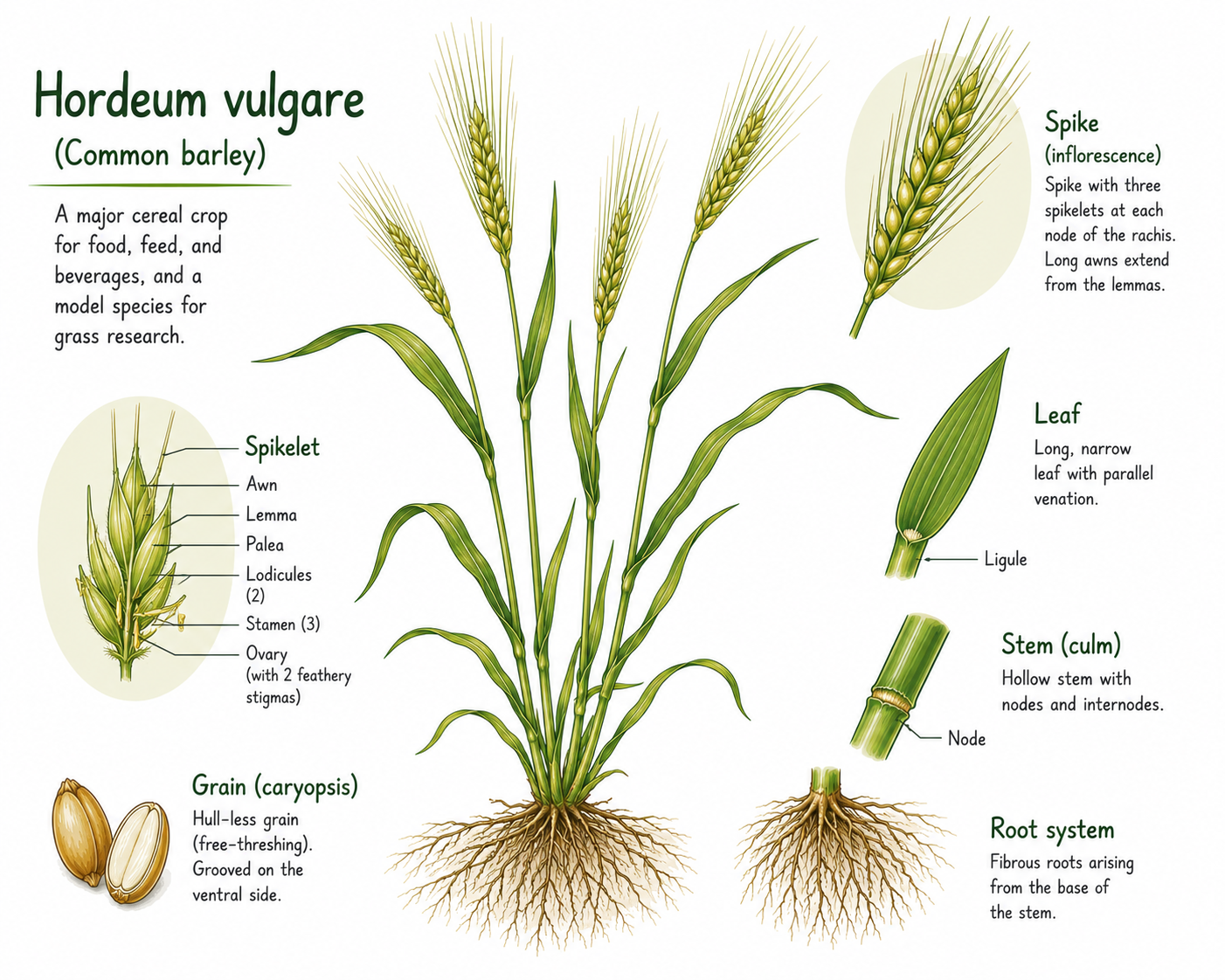
Barley (Hordeum vulgare), a member of the grass family, is a major cereal grain grown in temperate climates globally. One of the first cultivated grains, it was domesticated in the Fertile Crescent around 9000 BC, giving it nonshattering spikelets and making it much easier to harvest. Its use then spread throughout Eurasia by 2000 BC. Barley prefers relatively low temperatures and well-drained soil to grow. It is relatively tolerant of drought and soil salinity, but is less winter-hardy than wheat or rye.
In 2023, barley was fourth among grains in quantity produced, 146 million tonnes, behind maize, rice, and wheat. Globally, 70% of barley production is used as animal feed, while 30% is used as a source of fermentable material for beer, or further distilled into whisky, and as a component of various foods. It is used in soups and stews and in barley bread of various cultures. Barley grains are commonly made into malt using a traditional and ancient method of preparation. In English folklore, John Barleycorn personifies the grain and the alcoholic beverages made from it. English pub names such as The Barley Mow allude to its role in the production of beer.
-
Oryza sativa
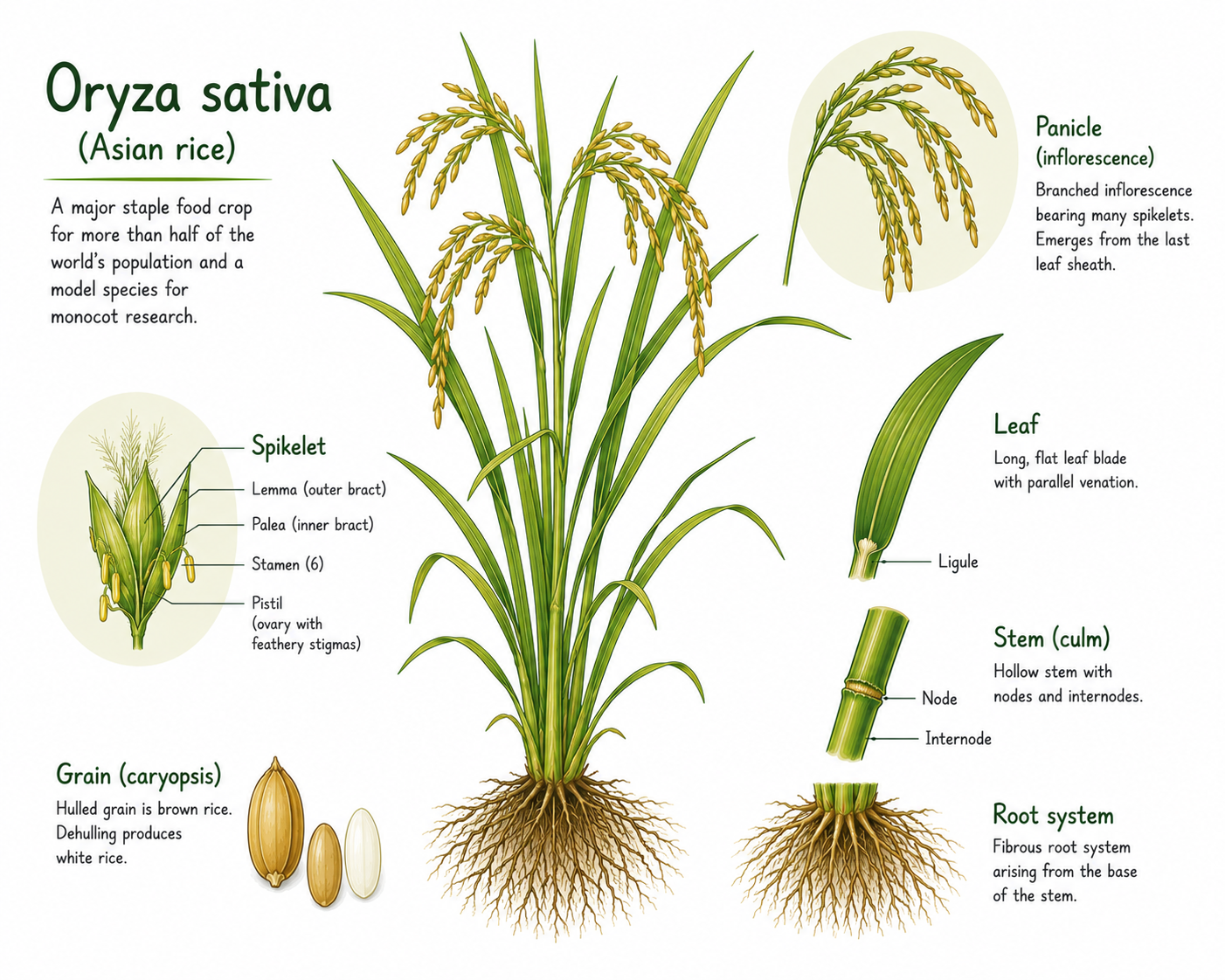
Oryza sativa, having the common name Asian cultivated rice, is the much more common of the two rice species cultivated as a cereal, the other species being O. glaberrima, African rice. It was first domesticated in the Yangtze River basin in China 13,500 to 8,200 years ago.
O. sativa belongs to the genus Oryza and the BOP clade in the grass family Poaceae. With a genome consisting of 430 Mbp across 12 chromosomes, it is renowned for being easy to genetically modify and is a model organism for the study of the biology of cereals and monocots.
Rice is a cereal grain and, in its domesticated form, is the staple food of over half of the world's population, particularly in Africa and Asia. Rice is the seed of the grass species O. sativa (Asian rice)—or, less commonly, O. glaberrima (African rice). Rice has become commonplace in many cultures worldwide; in 2023, 800 million tons were produced, placing it third after sugarcane and maize. Only some 8% of rice is traded internationally. China, India, and Indonesia are the largest consumers of rice.
-
Populus trichocarpa
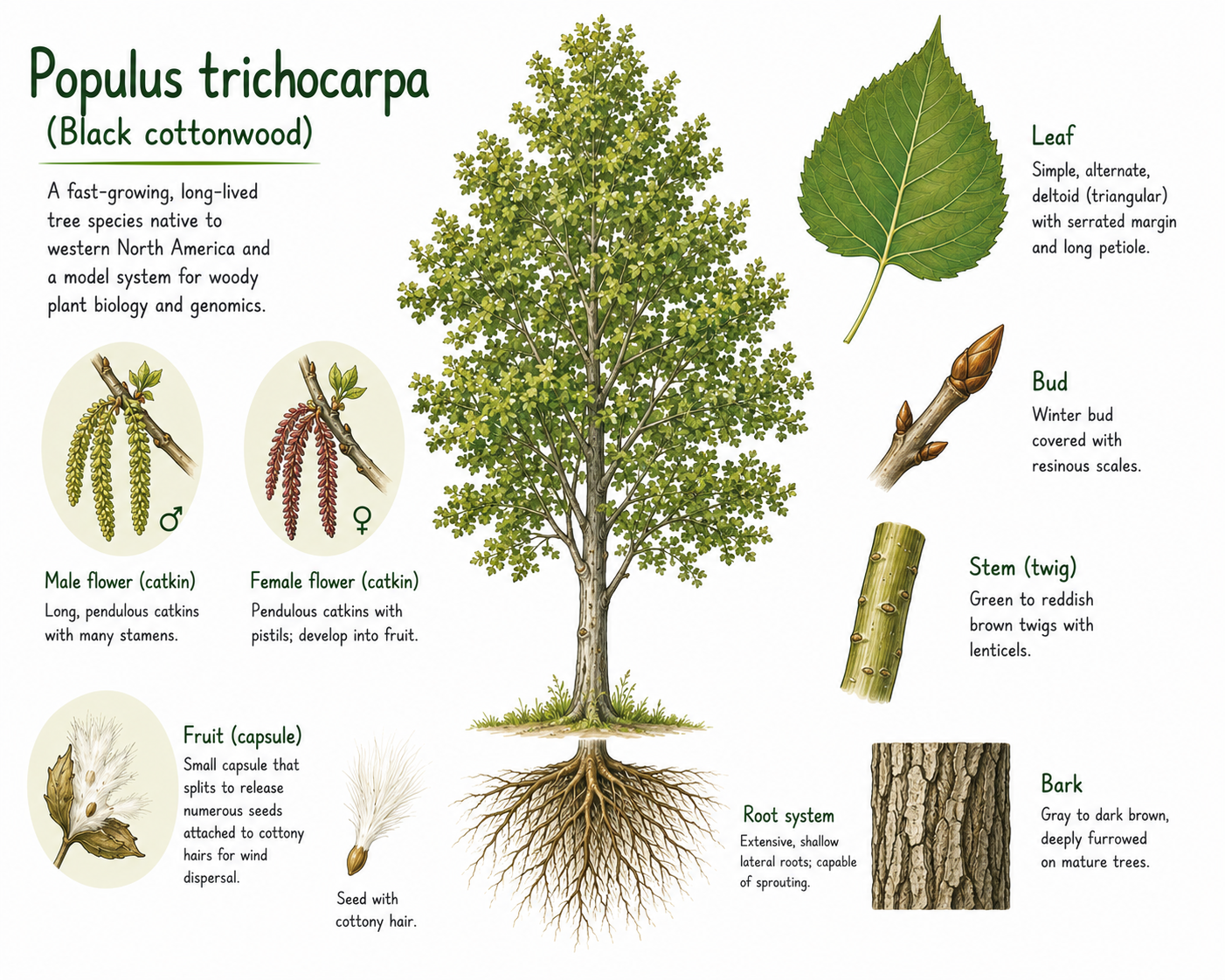
Populus trichocarpa, the black cottonwood, western balsam-poplar or California poplar, is a deciduous broadleaf tree species native to western North America. It is used for timber, and is notable as a model organism in plant biology. The tree is notable for the seed-carrying cottony fluff it releases into the air each spring. It is a large tree, growing to a height of 30 to 50 m (98 to 164 ft) and a trunk diameter over 2 m (6+1⁄2 ft). It ranks 3rd in poplar species in the American Forests Champion Tree Registry. It is normally fairly short-lived, but some trees may live up to 400 years.
-
Sorghum bicolor
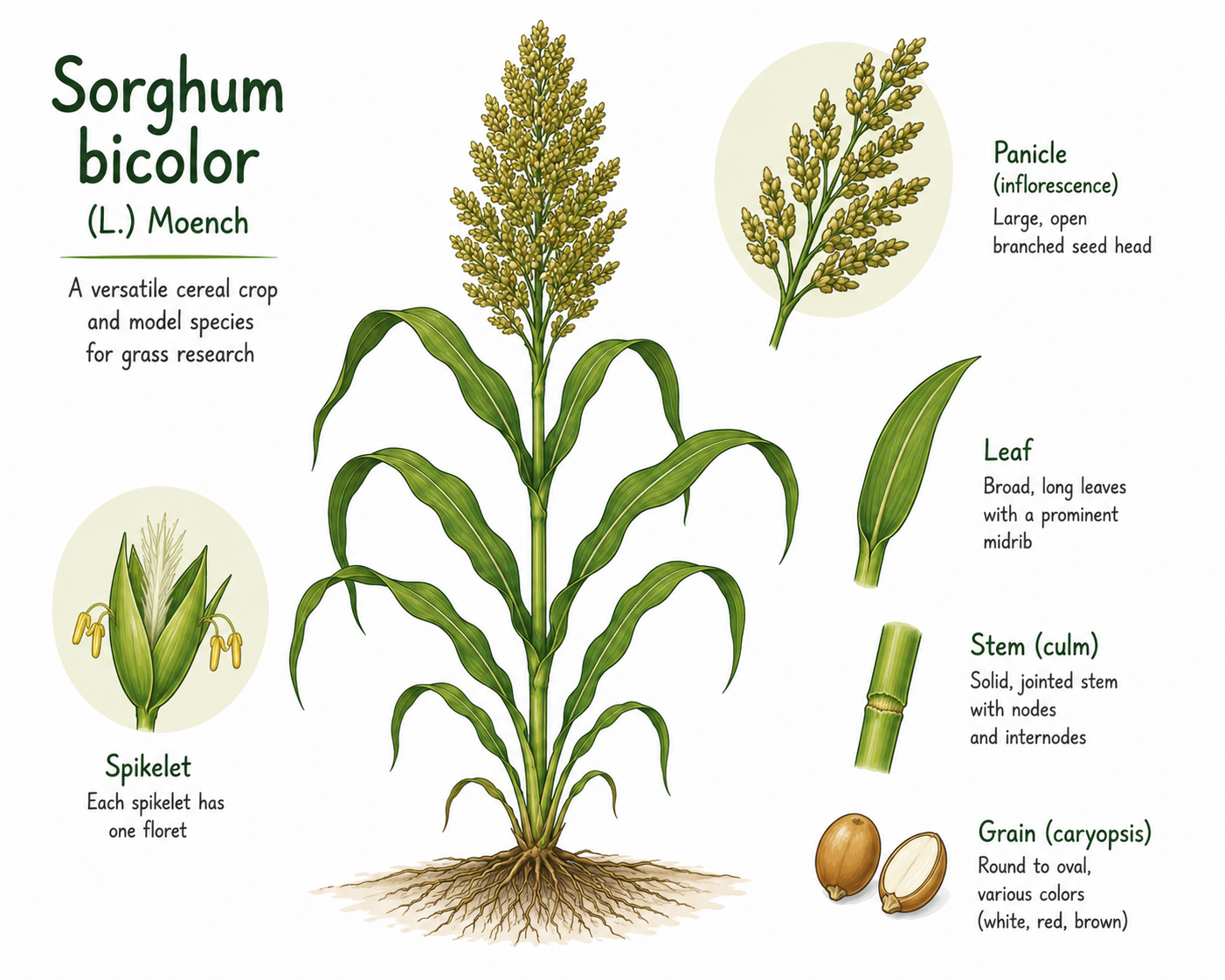
Sorghum bicolor, commonly called sorghum and also known as broomcorn, great millet, Indian millet, Guinea corn, jowar, or milo, is a species in the grass genus Sorghum. It is typically an annual, but some cultivars are perennial. It grows in clumps that may reach over 4 metres high. The grain is 2 to 4 millimetres (0.08 to 0.2 in) in diameter.
The species originated and was domesticated in Sudan. Native to Africa and the Indian subcontinent, it is cultivated in tropical and subtropical regions for its grain. It is the world's fifth-most important cereal crop. The grain is used as food by humans, while the plant is used for animal feed and ethanol production.
-
Solanum lycopersicum
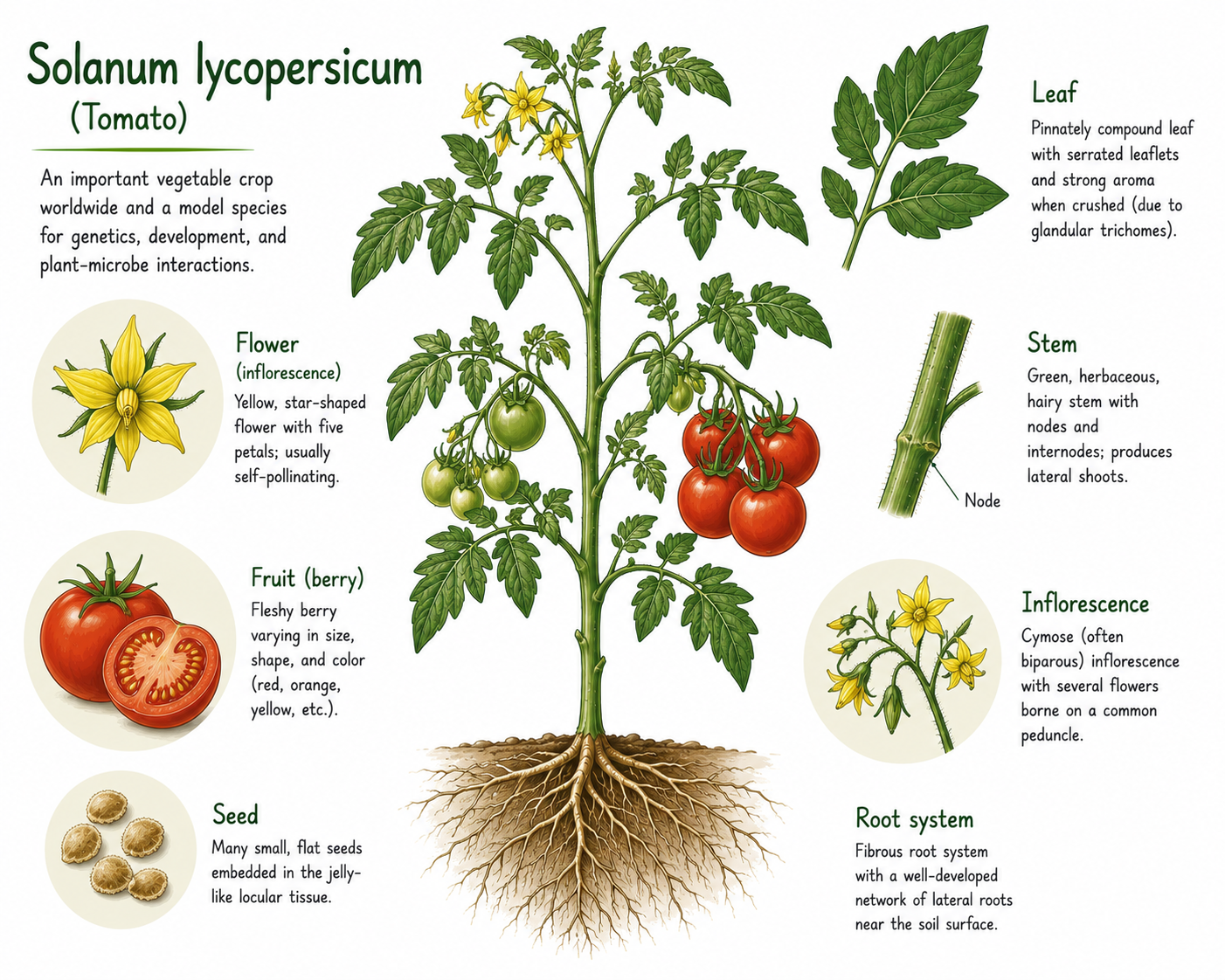
The tomato (Solanum lycopersicum) is a plant whose fruit is an edible berry that is eaten as a vegetable. The tomato is a member of the nightshade family that includes tobacco, potato, and chili peppers. It originated from western South America, and may have been domesticated there, in Mexico, or in Central America. The Spanish introduced tomatoes to Eurasia in the Columbian exchange in the 16th century.
Tomato plants are vines, largely annual, and vulnerable to frost, though sometimes living longer in greenhouses. The flowers can self-fertilize. Modern varieties have been bred to ripen uniformly red, in a process that has impaired the fruit's sweetness and flavor. There are thousands of cultivars, varying in size, color, shape, and flavor. Tomatoes are attacked by many insect pests and nematodes and are subject to diseases caused by viruses, mildew, and blight fungi.
The tomato has a strong savory umami flavor and is an important ingredient in cuisines around the world. Tomatoes are widely used in sauces for pasta and pizza, in soups such as gazpacho and tomato soup, in salads and condiments like salsa and ketchup, and in various curries. Tomatoes are also consumed as juice and in beverages such as the Bloody Mary cocktail.
-
Solanum tuberosum
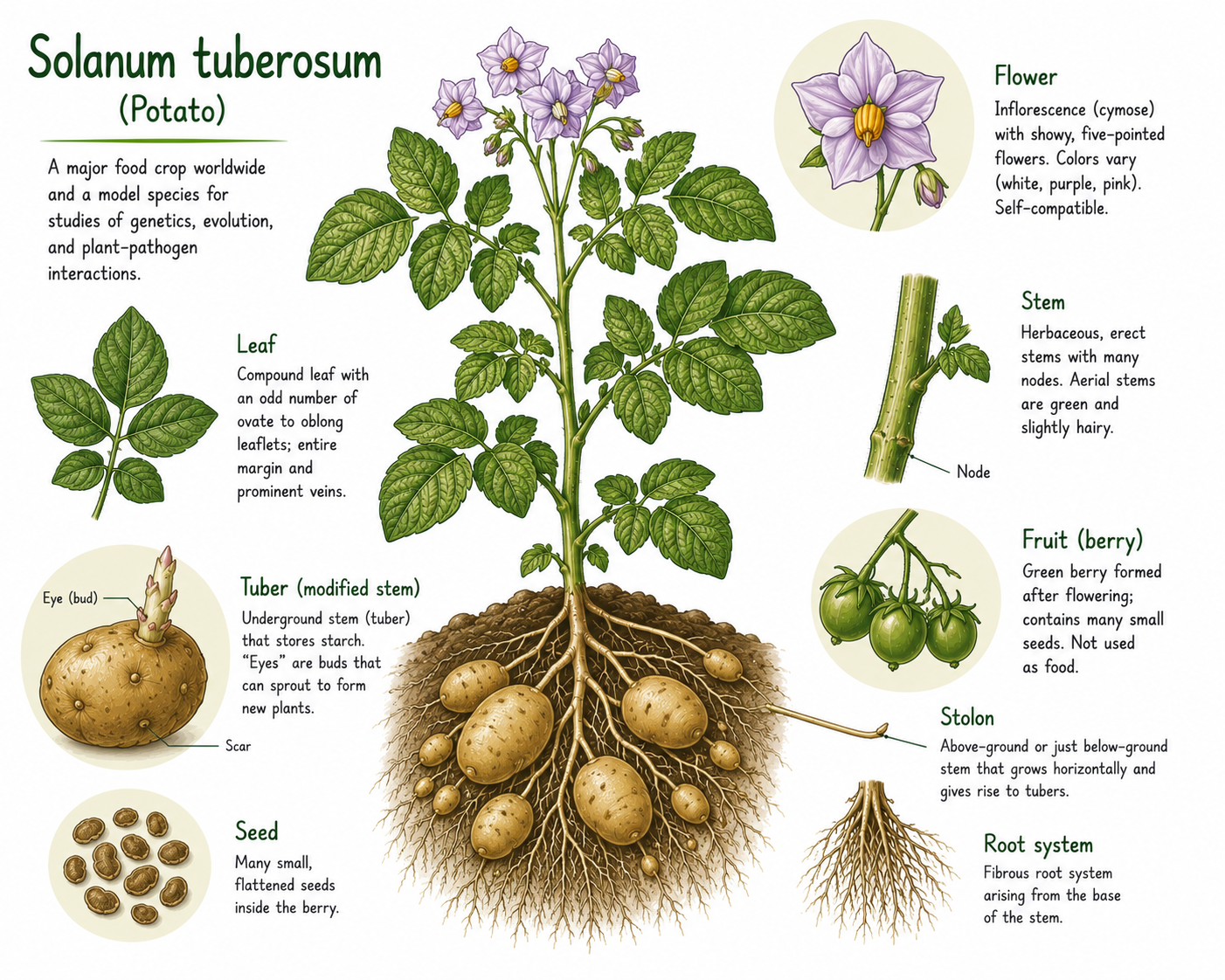
The potato is a starchy tuberous vegetable native to the Americas that is consumed as a staple food in many parts of the world. Potatoes are underground stem tubers of the plant Solanum tuberosum, a perennial in the nightshade family Solanaceae.
Wild potato species can be found from the southern United States to southern Chile. Genetic studies show that the cultivated potato has a single origin, in the area of present-day southern Peru and extreme northwestern Bolivia. Potatoes were domesticated there about 7,000–10,000 years ago from a species in the S. brevicaule complex. Many varieties of the potato are cultivated in the Andes region of South America, where the species is indigenous.
The Spanish introduced potatoes to Europe in the second half of the 16th century from the Americas. They are a staple food in many parts of the world and an integral part of much of the world's food supply. Following centuries of selective breeding, there are now over 5,000 different varieties of potatoes. The potato remains an essential crop in Europe, especially Northern and Eastern Europe, where per capita production is still the highest in the world, while the most rapid expansion in production during the 21st century was in southern and eastern Asia, with China and India leading the world production as of 2023.
Like the tomato and the nightshades, the potato is in the genus Solanum. The aerial parts of the potato contain the toxin solanine. Normal potato tubers that have been grown and stored properly produce glycoalkaloids in negligible amounts, but if sprouts and potato skins are exposed to light, tubers can become toxic.
-
Triticum aestivum
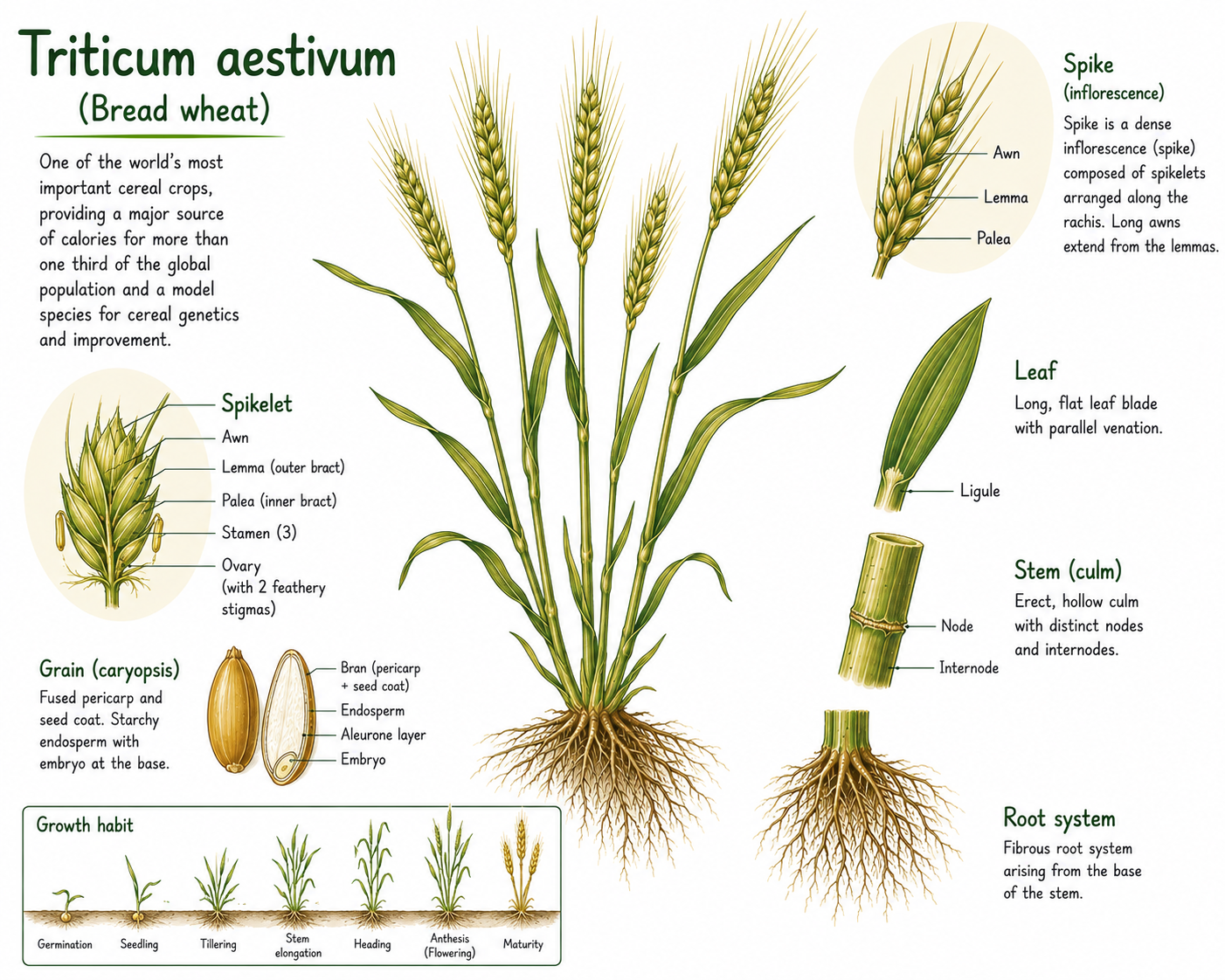
Common wheat (T. aestivum), also known as bread wheat, is a cultivated wheat species. It originated around 8,000 years ago, from the hybridization of an already existing domesticated variety of wheat and the wild goatgrass in the South Caucasus or southwestern Caspian area. About 95% of wheat produced worldwide is this species; it is the most widely grown of all crops and the cereal with the highest monetary yield.
Bread wheat is an allohexaploid – a combination of six sets of chromosomes from different species. Of the six sets of chromosomes, four come from emmer (Triticum turgidum, itself a tetraploid) and two from Aegilops tauschii (a wild diploid goatgrass). Wild emmer arose from an even earlier ploidy event, a tetraploidy between two diploids, wild einkorn (T. urartu) and A. speltoides (another wild goatgrass).
Free-threshing wheat is closely related to spelt. As with spelt, genes contributed from Aegilops tauschii give bread wheat greater cold hardiness than most wheats, and it is cultivated throughout the world's temperate regions.
-
Vitis vinifera
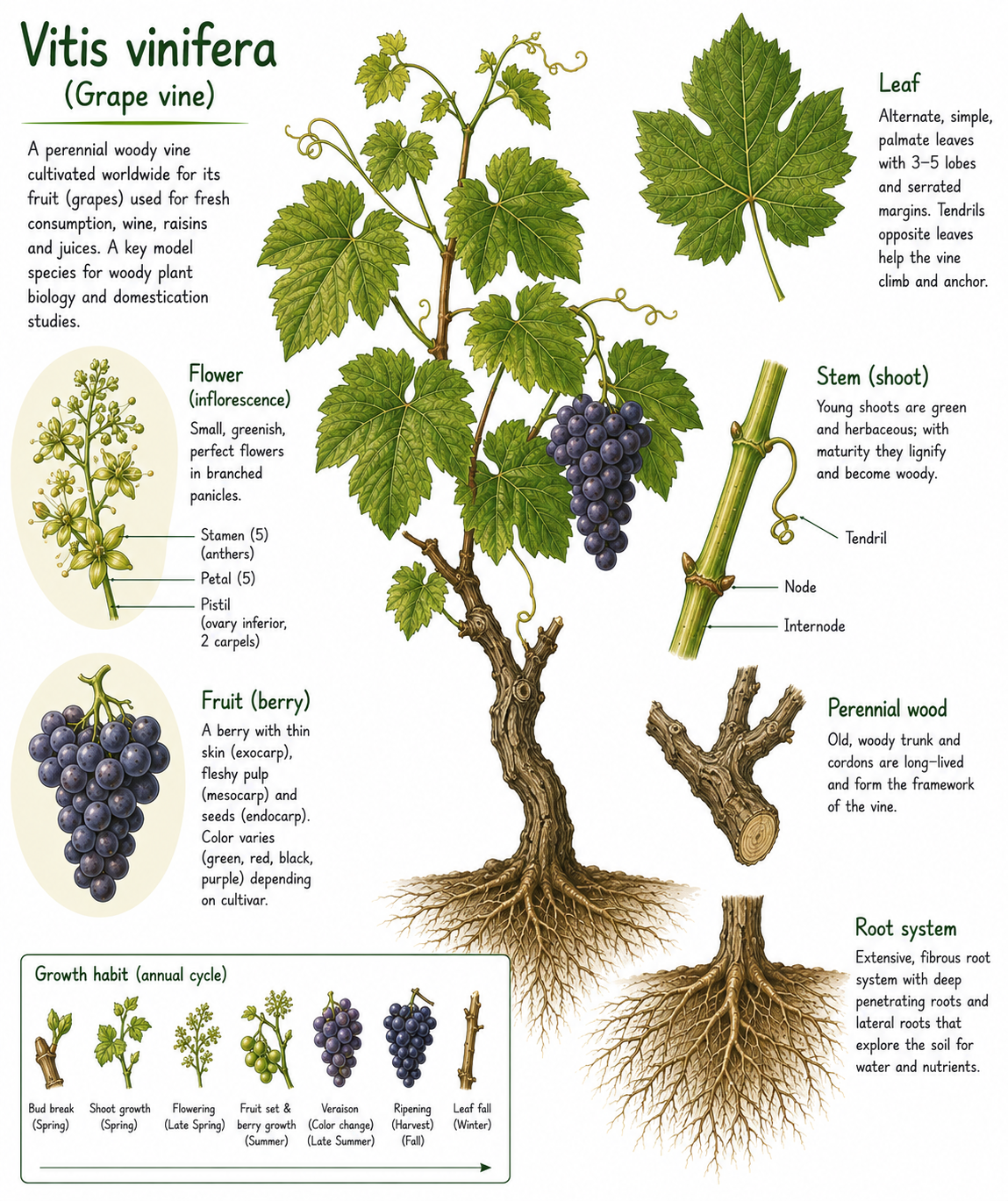
Vitis vinifera, the common grape vine, is a species of flowering plant, native to the Mediterranean region, Central Europe, and southwestern Asia, from Morocco and Portugal north to southern Germany and east to northern Iran. As of 2012, there were between 5,000 and 10,000 varieties of Vitis vinifera grapes though only a few are of commercial significance for wine and table grape production.
The wild grape is sometimes classified as V. vinifera var. sylvestris (in some classifications considered V. sylvestris), with V. vinifera var vinifera restricted to cultivated forms. Domesticated vines have hermaphrodite flowers, but V. vinifera var. sylvestris is dioecious (male and female flowers on separate plants) and pollination is required for fruit to develop.
Grapes can be eaten fresh or dried to produce raisins, sultanas, and currants. Grape leaves are used in the cuisine of many cultures. The fresh grapes can also be processed into juice that is fermented to make wine and vinegar. Cultivars of V. vinifera form the basis of the majority of wines produced around the world. All of the familiar wine varieties belong to V. vinifera, which is cultivated on every continent except for Antarctica, and in all the major wine regions of the world.
Zea mays
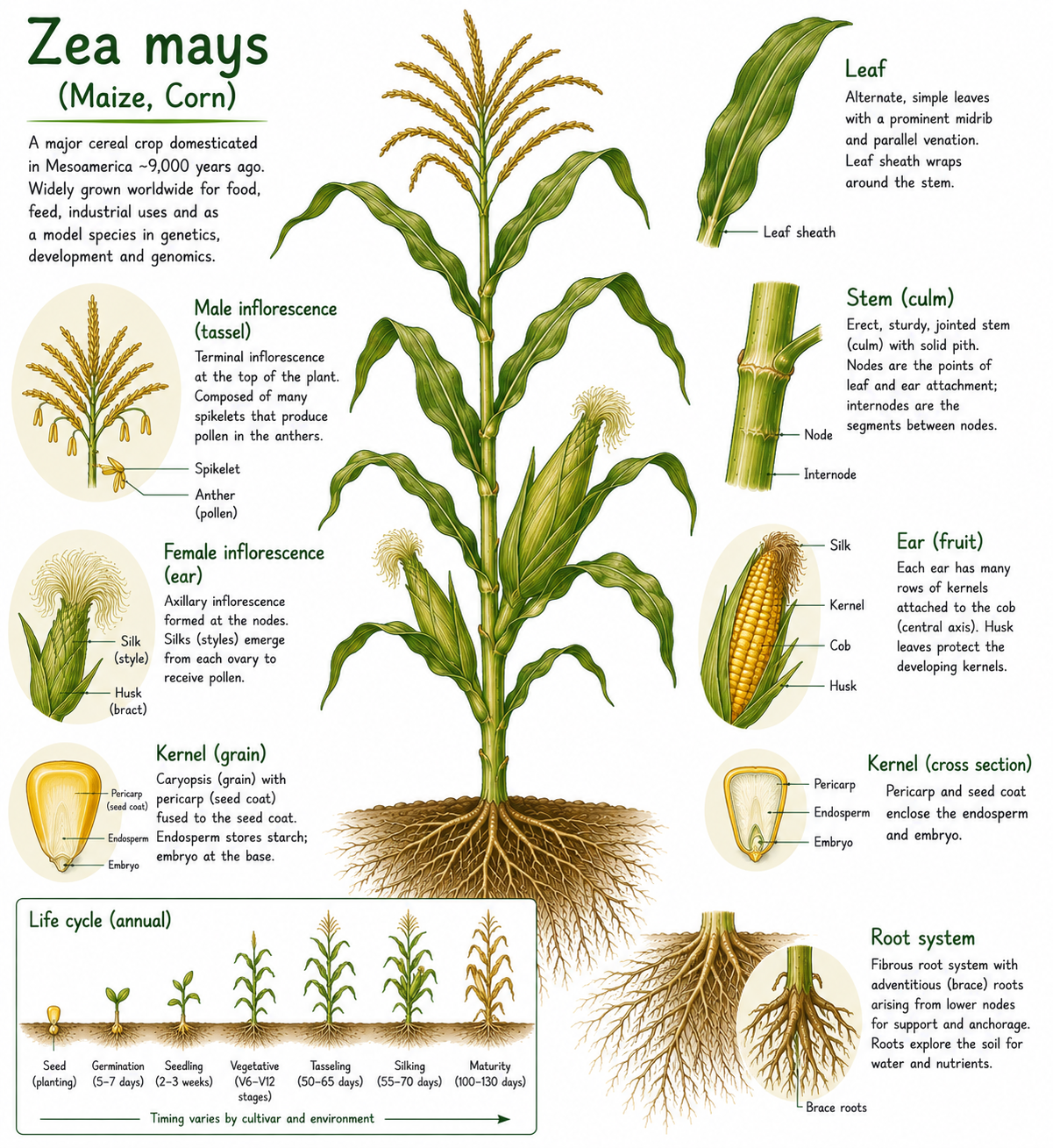
Maize (Zea mays), also known as corn, is a tall stout grass that produces cereal grain. The leafy stalk of the plant gives rise to male inflorescences or tassels which produce pollen, and female inflorescences called ears. The ears yield grain, known as kernels or seeds. In modern commercial varieties, these are usually yellow or white; other varieties can be of many colors. Maize was domesticated by indigenous peoples in southern Mexico about 9,000 years ago from wild teosinte. Native Americans planted it alongside beans and squashes in the Three Sisters polyculture. That is, those three vegetables were the main staple crops of the time.
Maize relies on humans for its propagation. Since the Columbian exchange, it has become a staple food in many parts of the world, with the total production of maize surpassing that of wheat and rice. Much maize is used for animal feed, whether as grain (fodder) or as the whole plant, which can either be baled as forage or made into the more palatable silage. Sugar-rich varieties called sweet corn are grown for human consumption, while field corn varieties are used for animal feed, for uses such as cornmeal or masa, corn starch, corn syrup, pressing into corn oil, alcoholic beverages like bourbon whiskey, and as chemical feedstocks including ethanol and other biofuels.
Maize is cultivated throughout the world; a greater weight of maize is produced each year than any other grain. In 2020, world production was 1.1 billion tonnes. It is afflicted by many pests and diseases; two major insect pests, European corn borer and corn rootworms, have each caused annual losses of a billion dollars in the United States. Modern plant breeding has greatly increased output and qualities such as nutrition, drought tolerance, and tolerance of pests and diseases. Much maize is now genetically modified.
As a food, maize is used to make a wide variety of dishes including Mexican tortillas and tamales, Italian polenta, and American hominy grits. Maize protein is low in some essential amino acids, and the niacin it contains only becomes available if freed by alkali treatment. In pre-Columbian Mesoamerica, maize was deified as a maize god and depicted in sculptures.